An organ preservation method called REUP, developed in the United States, was used for heart transplantation in children. Following the outcomes of the first five patients, it was announced that five more children had received transplants, while broader studies are needed to assess the method’s long-term success.
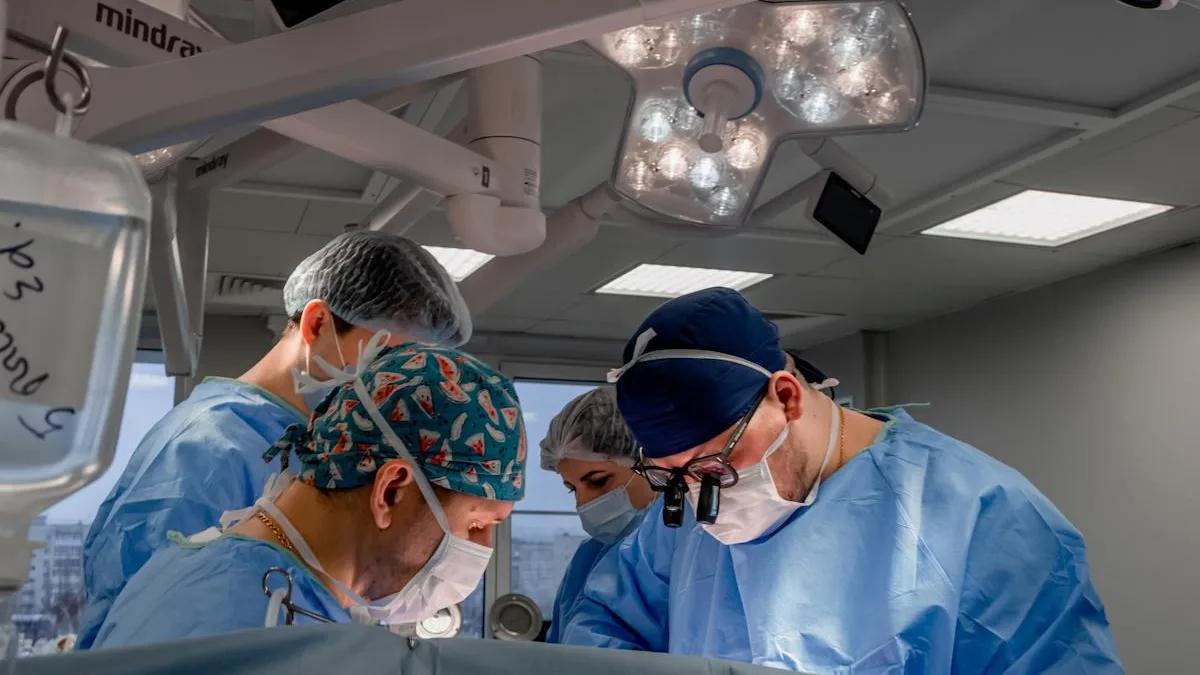
The heart transplant team at Vanderbilt University Medical Center in the United States adapted a method that preserves donated hearts without restarting them prior to transplant for use in children. According to the center’s announcement dated October 7, 2026, the number of children who underwent heart transplantation with this approach has reached 10.
Preserves the heart without restarting it
REUP is an organ preservation technique developed for hearts donated after circulatory arrest. After death, the heart is preserved with a cold, oxygen-rich solution.
The key difference of the method is that the donated heart does not need to be restarted in the donor’s body or in a specialized ex vivo device before transplantation. Researchers note that this approach could make some hearts usable for transplant that would not be viable with current methods.
Positive results in the first five patients
According to the center, the initial series reported in the New England Journal of Medicine includes five pediatric patients. The average waiting time for transplant was reported to be approximately 20 days.
In these patients, postoperative cardiac function was good, and mechanical circulatory support was not required. During follow-up, there was no evidence of primary graft dysfunction—meaning the transplanted heart failing to function adequately in the early period—or signs of rejection. After the first series, five additional children underwent transplantation using the same method.
More donated hearts may be utilized
According to the researchers, the method’s key potential is increasing the number of donor hearts that can be used for children. The hearts in the initial series were obtained from settings where restarting prior to transplant was not permitted for ethical reasons. The team reported that without REUP, these organs would not have been considered for transplantation.
Early results are not a guarantee of long-term success
It is necessary to distinguish between the total of 10 reported transplants and the scientifically reported outcomes of the first five patients. Positive findings in a small patient series do not show that the method is superior to existing approaches or that it definitively shortens waiting times.
Long-term survival, rejection, and the function of the transplanted heart need to be evaluated in larger patient groups. The follow-up duration for the first patients is not specified in the accessible institutional announcement. Therefore, the results should be read as early clinical experience supporting feasibility.
Sources: Vanderbilt Health institutional announcement, October 7, 2026.