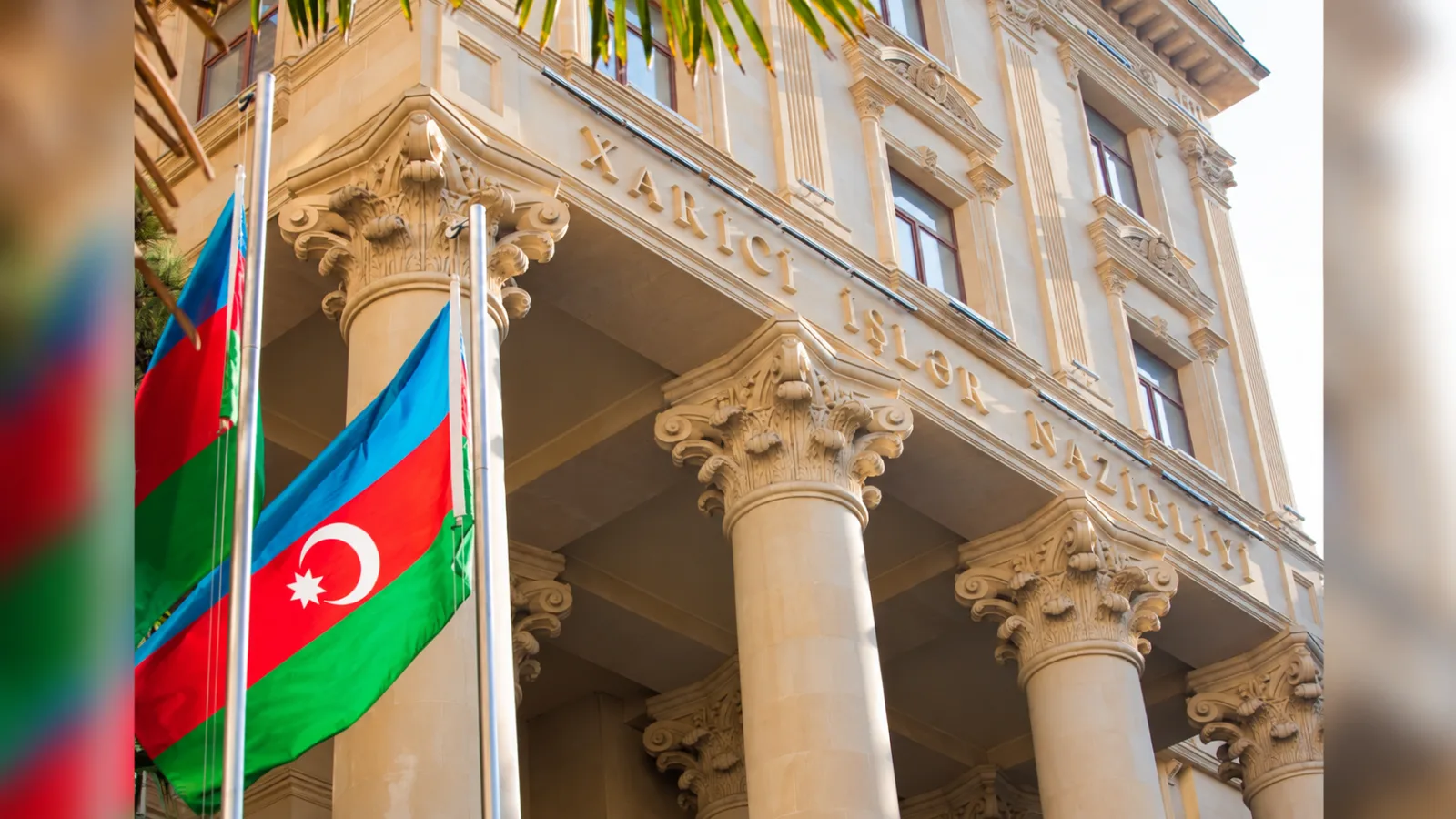
On October 21, Azerbaijan’s Ministry of Foreign Affairs announced that 31 citizens of the Republic of Turkey had been banned from entering the country. The ministry cited the individuals’ statements on social media and internet platforms as the basis for the decision.
Those subjected to the entry ban include Fatih Erbakan, Chairman of the New Welfare Party; Ömer Faruk Gergerlioğlu, DEM Party MP for Kocaeli; Yahya Uğraş, Deputy Chairman of the Free Cause Party (Huda-Par); and Mehmet Boynukalın, a former Hagia Sophia imam and academic. Journalists and writers Yusuf Kaplan, İsmail Kılıçarslan, and Adem Özköse are also on the list.
Baku’s rationale
The ministry claimed that the statements of the individuals in question targeted Azerbaijan’s sovereignty, national security, and constitutional order. Calls for forcibly changing the government and allegations of incitement to violence and enmity on religious grounds were also listed among the reasons for the decision.
However, the statement did not share person-specific concrete examples regarding which words or activities led to their inclusion in this scope. The Baku administration stated that measures against similar activities would continue.
Individuals banned from entering the country
The list published by the Azerbaijani authorities included the following 31 names:
1. Ahmet Barış İyison
2. Cem Özyurt
3. Akın Duru
4. Dursun Eker
5. Adem Özköse
6. Muhammed Emin Yıldırım
7. Cüneyt Sezer
8. Serhat Koyuncu
9. Mikail Ayyıldız
10. Ahi Aratoğlu
11. Muharrem Çavuş
12. Fatih Erbakan
13. Yahya Uğraş
14. Aydın Binboğa
15. Hakkı Eren
16. Sait Seyitoğlu
17. Mehmet Boynukalın
18. Okan Aytaş
19. Mert Armağan
20. Yaşar Yavuz
21. Ahmet Sırrı Arvas
22. Yusuf Kaplan
23. Erdinç Teğmen
24. Ahmet Çakar
25. Halil Atakan Ay
26. İsmail Kılıçarslan
27. Murat Şahin
28. İrfan Kaya Ülger
29. Fatin Dağıstanlı
30. Ömer Ulutaş
31. Ömer Faruk Gergerlioğlu
Background to the dispute
Prior to the entry ban, the dress code enforced in state schools in Azerbaijan had drawn criticism in Turkey. In the regulation introduced in September, while the term “headscarf” was not used directly, it was stated that no additional clothing elements contrary to the integrity of the school uniform and the principle of secularism in education would be permitted. Following reports that headscarved students were not admitted to schools, protests took place.
Some politicians in Turkey criticized the measure in terms of the right to education and freedom of belief. Azerbaijan’s ruling New Azerbaijan Party considered these statements an interference in the country’s internal affairs and accused certain political figures and media outlets in Turkey of spreading misleading information.
Although the new entry ban was announced after these debates, the ministry did not provide separate justifications for each person on the list. Therefore, it remains unclear whether all 31 individuals were included in the ban for the same statements or activities.