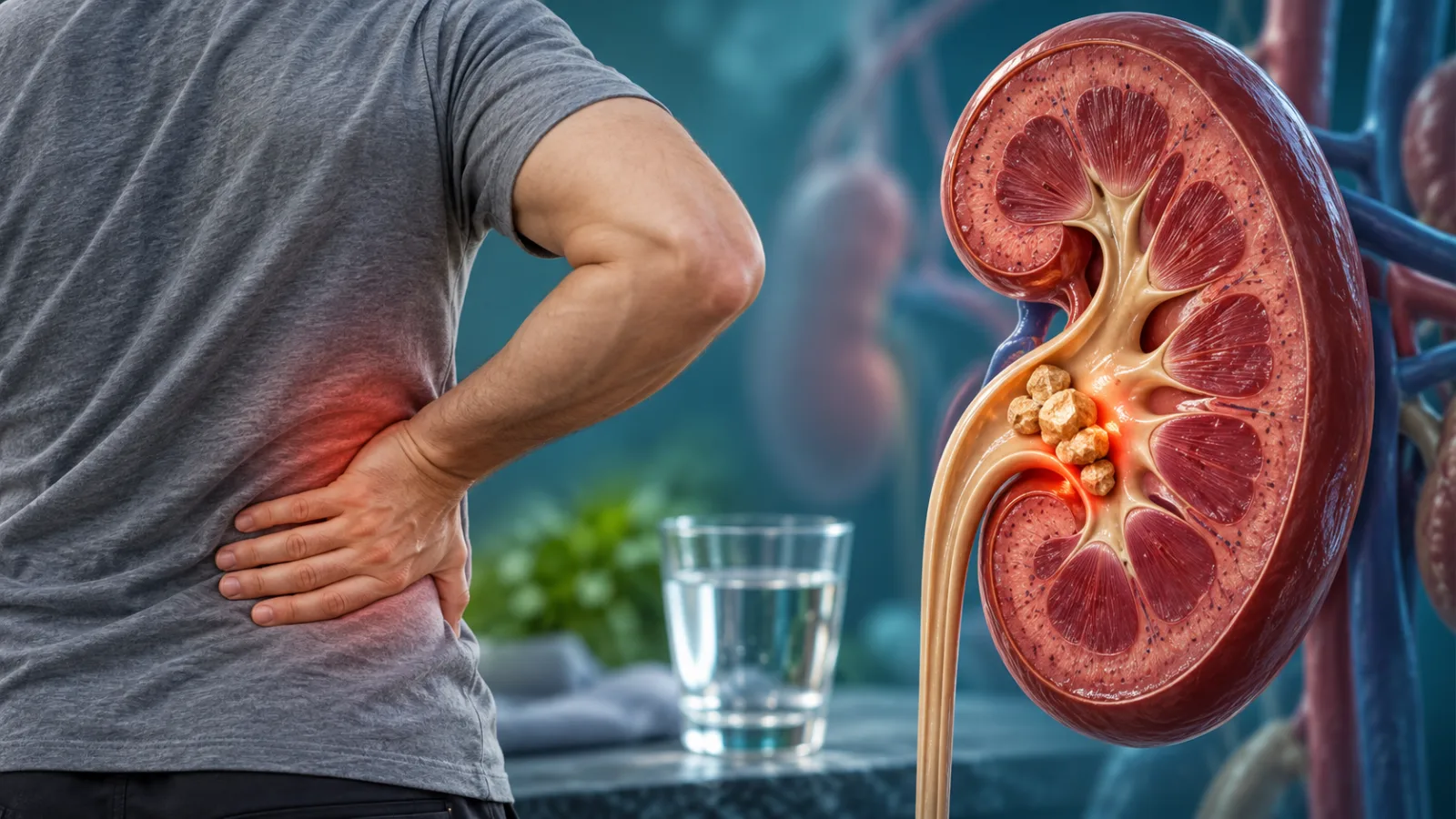
The body’s effort to conserve water
The kidneys, in addition to removing waste products from the blood, also help maintain the body’s fluid balance. When fluids are low, they promote retaining more water in the body.
In severe dehydration, the amount of blood and nutrients reaching the kidneys may be insufficient. This can adversely affect kidney function and lead to injury. Especially in hot and humid weather during heavy physical work or intense exercise, replacing lost fluids is important.
Urine color is a sign, not a diagnosis on its own
Dark yellow urine, urinating less frequently than usual, dry mouth, thirst, fatigue, and dizziness are among the signs of fluid loss. However, not every change in urine color should be attributed to dehydration. Foods, some medications, and different illnesses can also cause color changes. In particular, red or brown urine requires medical evaluation.
When fluid loss progresses, kidney function may deteriorate
Sudden impairment of kidney function is called “acute kidney injury.” Dehydration and low blood pressure are among its causes.
Producing much less urine than normal, nausea, swelling in the feet or legs, marked fatigue, and shortness of breath can occur. However, especially in mild cases, there may be no symptoms. For assessment, indicators such as the blood level of creatinine—a waste product cleared by the kidneys—and urine output are used.
Older age and certain medicines increase risk
Vomiting, diarrhea, fever, and heavy sweating can increase fluid loss. Children and older adults are among the groups more sensitive to dehydration. Existing kidney, heart, or liver diseases can also affect the risk of acute kidney injury.
Using certain anti-inflammatory pain relievers such as ibuprofen and naproxen during significant fluid loss can pose a risk to the kidneys. Some blood pressure medicines and diuretics may also require clinician review during these periods. One should consult a healthcare professional rather than stopping medicines or changing doses on one’s own.
The same amount of water does not apply to everyone
Daily fluid needs vary according to age, body size, weather conditions, activity level, and existing illnesses. In addition to water, soup and foods with high water content also contribute to total fluid intake.
Adequate fluids can make it harder for crystals that contribute to stone formation to come together. However, in some people with advanced kidney disease or kidney failure, fluid intake may need to be restricted. Therefore, the recommendation to increase fluid intake should not be applied the same way to everyone; the amount set by the healthcare team should be followed.
When should you not delay?
A marked decrease in urine output, persistent dizziness, or a general condition that worsens along with fluid loss requires prompt medical evaluation. Confusion, difficulty rousing, or trouble breathing are among the symptoms that require emergency help. Treatment of acute kidney injury varies according to its cause and severity; some patients require hospital care.
Sources: National Kidney Foundation’s information on fluid balance; the United Kingdom’s National Health Service (NHS) guidance on dehydration and acute kidney injury.