A critical gap for the continuity of health services: The world is short 5.8 million nurses
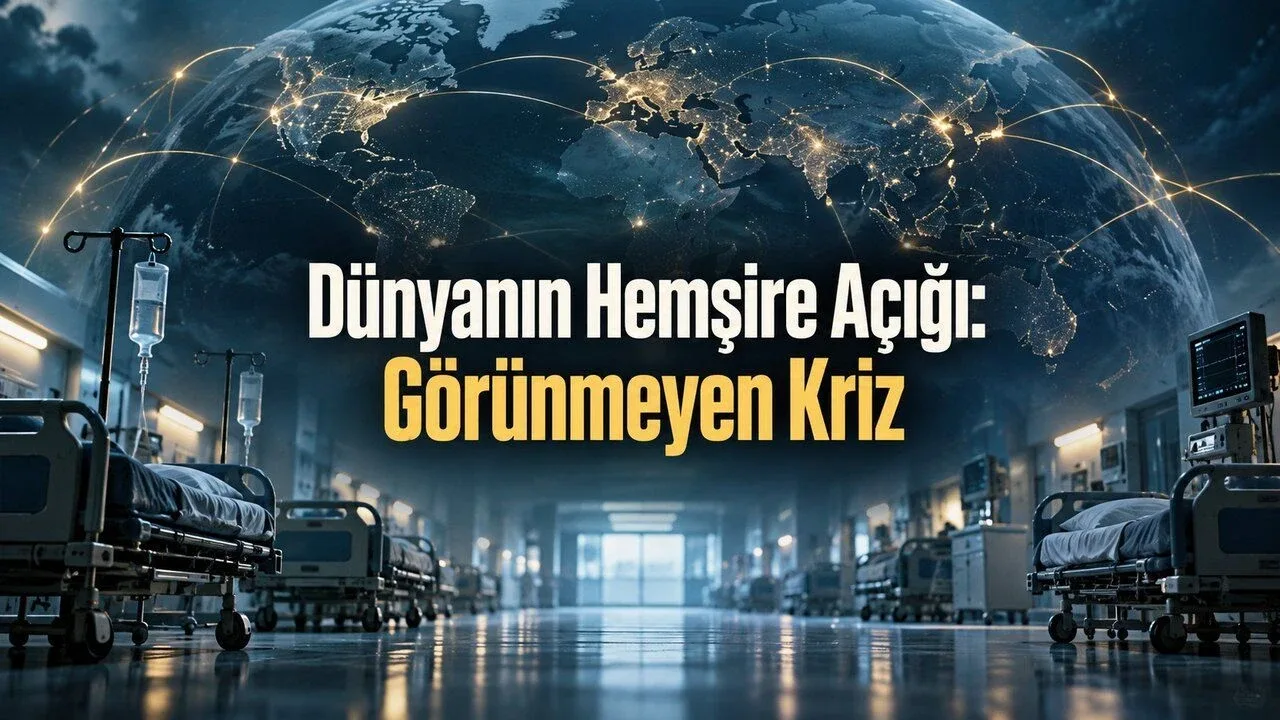
Estimates by the World Health Organization for 2023 show that the global nurse shortfall is 5.8 million. Even as the number of nurses increases, inequalities between countries, retirements, and difficulties in retaining staff threaten access to health services.
Nurses working in hospitals, family health services, and home care play a fundamental role in ensuring the uninterrupted delivery of health care. However, data from the World Health Organization (WHO) show that the number of nurses—the largest professional group in the health workforce—does not meet the need.
According to the State of the World’s Nursing 2025 report prepared by WHO and the International Council of Nurses (ICN) with partners, the number of nurses worldwide rose from 27.9 million in 2018 to 29.8 million in 2023. The global nurse shortage fell from 6.2 million in 2020 to 5.8 million in 2023. Despite this improvement, the need for millions of staff persists.
Distribution matters as much as numbers
An increase in the global total does not mean that access to health services has improved equally in every country. About 78% of the world’s nurses work in countries that are home to 49% of the global population.
High-income countries host about 17% of the world’s population yet account for 46% of nurses. This imbalance makes it difficult to strengthen services in regions where health workers are needed most.
Migration and retirements are creating new needs
According to WHO data, one in seven nurses worldwide works in a country different from where they were born. In high-income countries, the share of foreign-born nurses reaches 23%. The organization emphasizes that international recruitment should not further weaken the health systems of countries experiencing staffing shortages.
Retirements also shape workforce planning. According to the report, in 20 countries—most of them high-income—the number of nurses expected to retire over the next decade may exceed those newly entering the profession. This could affect not only headcount but also the transfer of experience to younger nurses.
Education, employment, and working conditions must be addressed together
WHO stresses that expanding nursing education must be accompanied by increased employment opportunities. Having trained graduates is not enough to meet staffing needs when there are no posts and financing to employ them.
Supporting the current workforce is also a key part of the solution. Only 42% of the countries that provided information for the report said they have regulations supporting nurses’ mental health. WHO’s recommendations include improving working conditions, pay equity, and supporting workers’ mental well-being.
The 2030 projection does not show the gap closing entirely
If current trends continue, the global nurse shortfall is expected to decline to 4.1 million by 2030. However, roughly 70% of the projected shortfall may be concentrated in WHO’s African and Eastern Mediterranean regions.
These figures are not a definitive picture of the future; they are estimates based on current trends. Also, the 5.8 million gap refers to the estimate for 2023, not a new count conducted in 2026. The data indicate that investments in nursing need to be planned together—from education to employment and to the conditions that will keep workers in the profession.
Sources: WHO – State of the World’s Nursing 2025, WHO – Nursing and midwifery fact sheet, 11 August 2026.