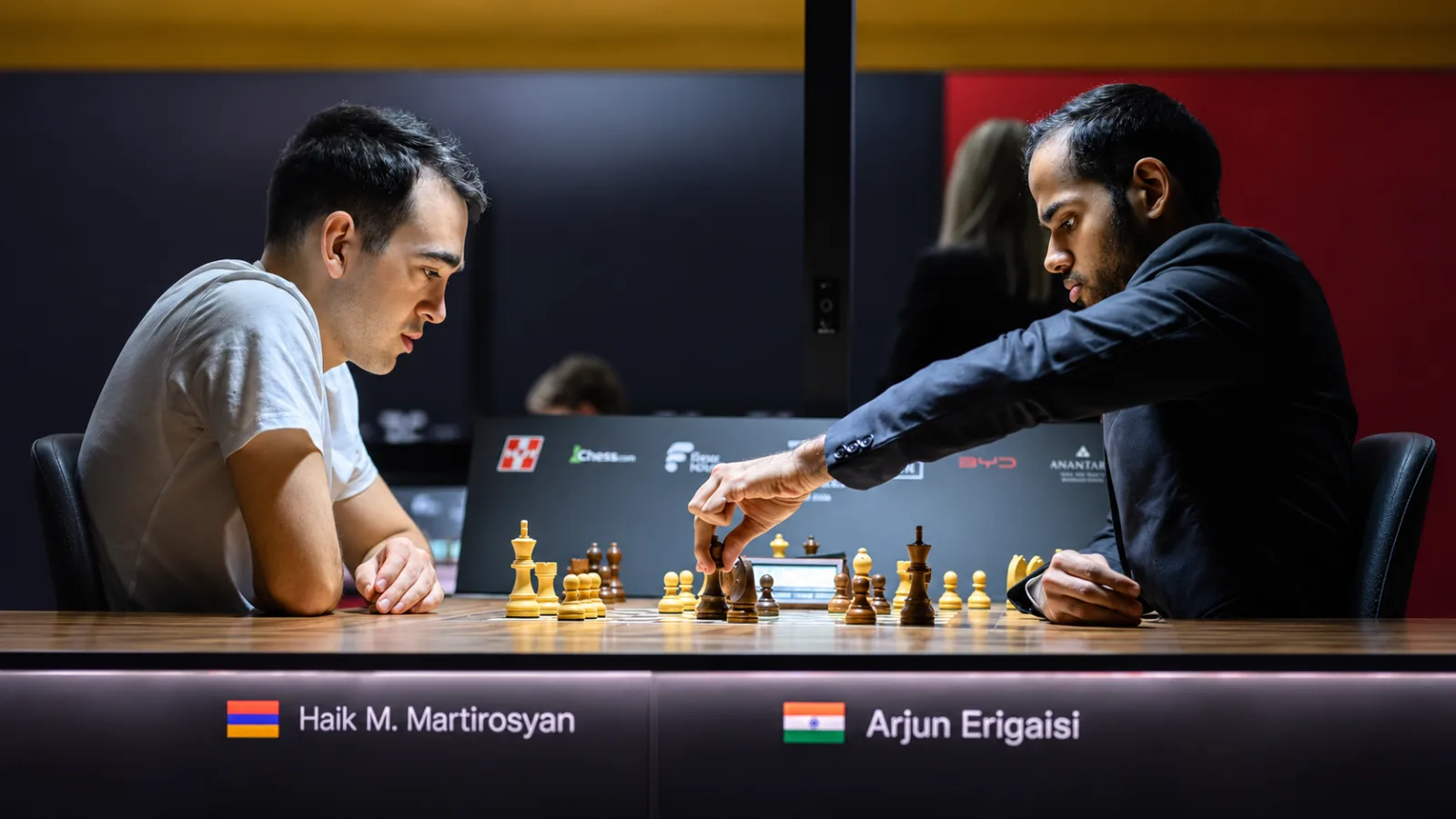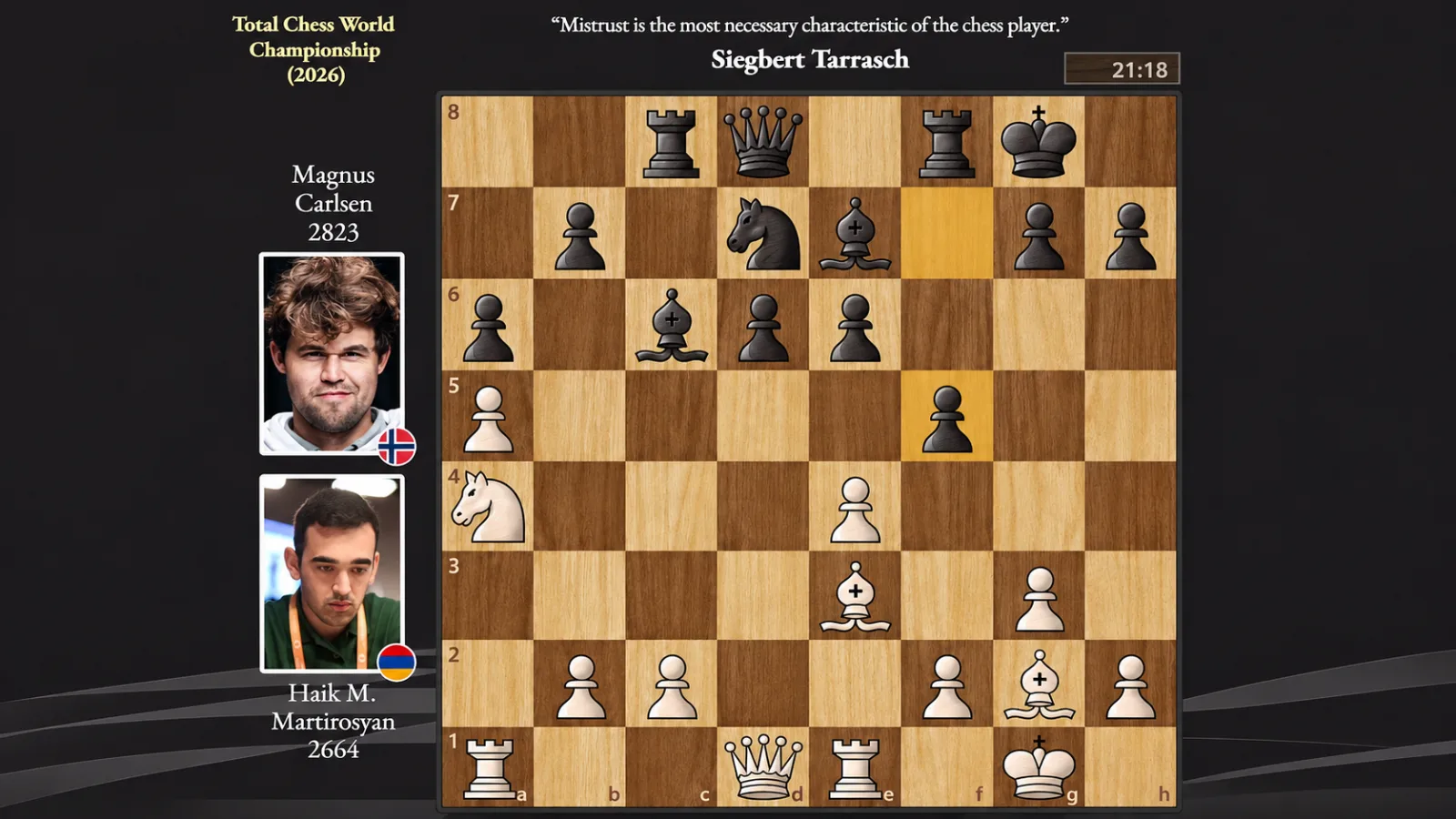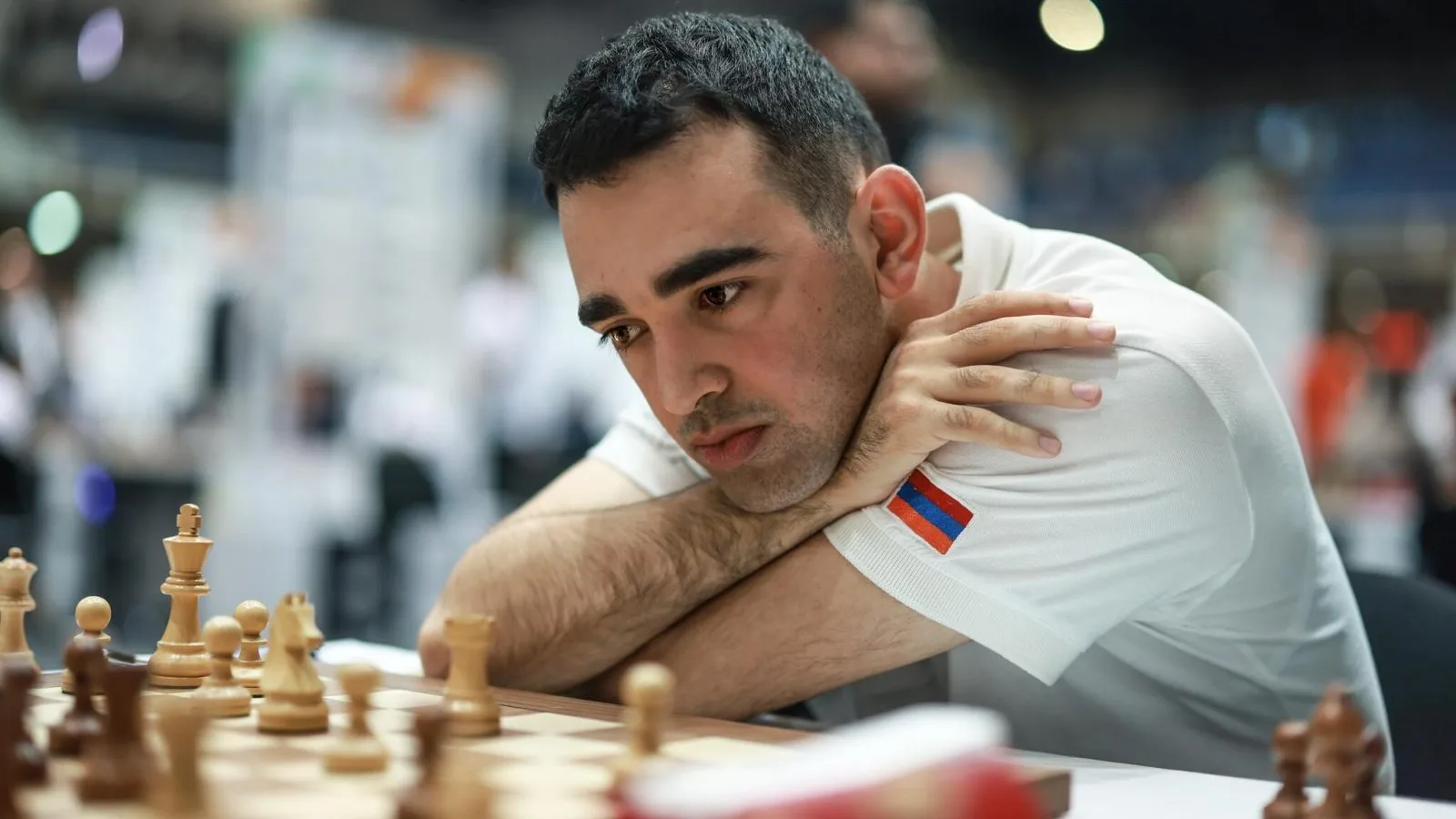
Chess is not only a sport but also part of the educational culture
Armenia’s connection with chess is not limited to success in international tournaments. Since the 2011–2012 academic year, chess has been included in the curriculum of public schools as a compulsory subject for second-, third-, and fourth-grade students. In doing so, Armenia became the first country to make chess a compulsory subject in the school curriculum.
The program’s primary goal was defined not as training professional chess players, but as supporting children’s strategic thinking, critical perspective, mental development, and decision-making skills. Special training for chess teachers and the provision of necessary equipment to schools were also among the components of the program.
From Classroom Desks to the World Chess Stage
Chess, played in Armenia for centuries, gained significant visibility across society especially when Soviet Armenian grandmaster Tigran Petrosian became world champion. Following the ninth World Chess Champion Petrosian, the country has produced numerous grandmasters.
With a population of around three million, Armenia’s standing in world chess continues not only through trophies won in the past but also through the presence of a new generation of players in international rankings. The inclusion of seven Armenian grandmasters in FIDE’s September list continues to demonstrate how the chess tradition that begins at school desks in the country is reflected today on the world stage.