When we run into each other, we often ask the same question: "How are you?"
But how long do we wait to hear the answer?
We meet in a church courtyard, at a school gate, at an association’s table, or at a funeral. We greet each other, ask about our families, and talk about mutual acquaintances. Sometimes we part ways without noticing the fatigue on the face of someone we have known for years. Because knowing each other does not mean we are aware of one another.
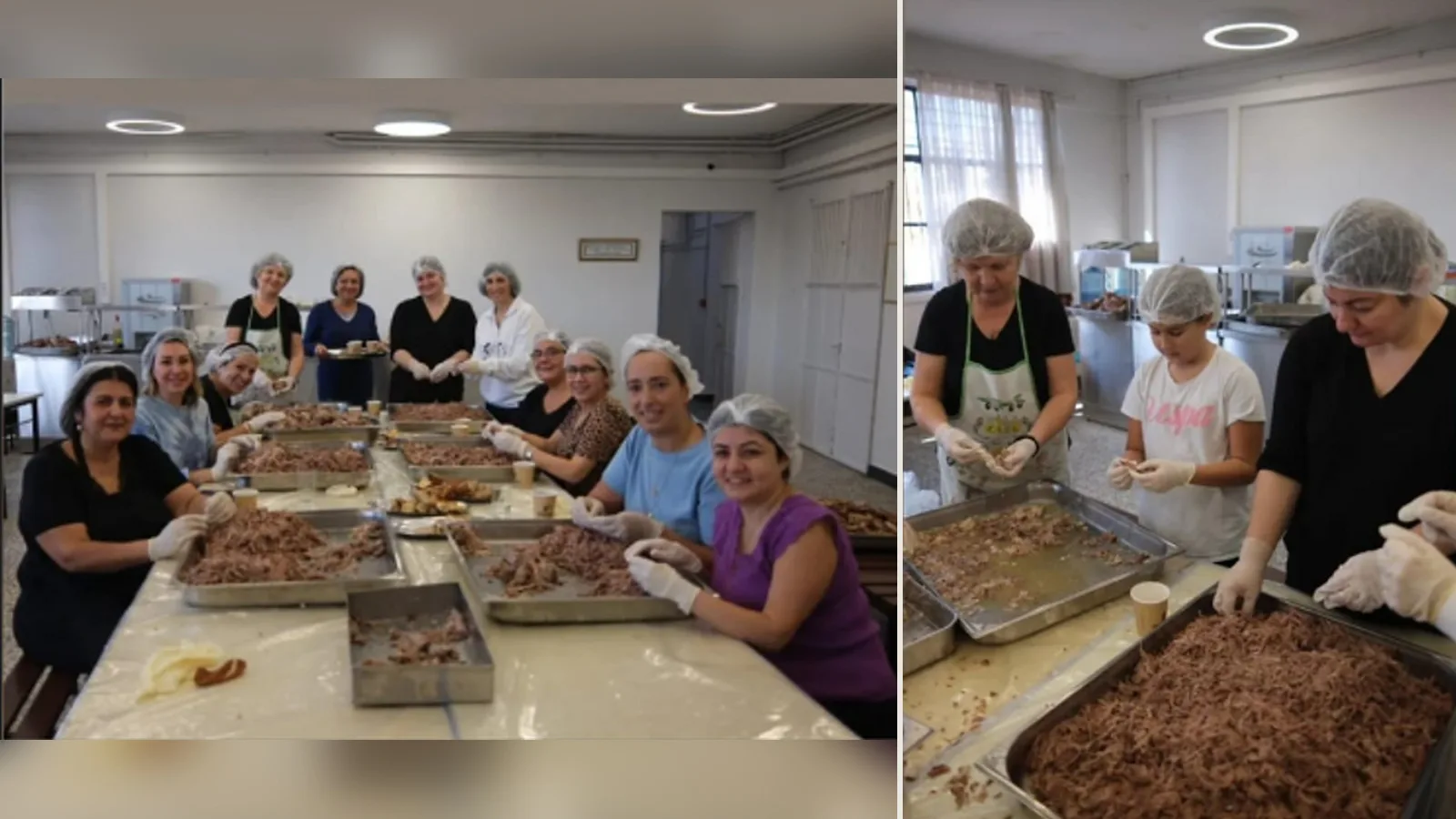
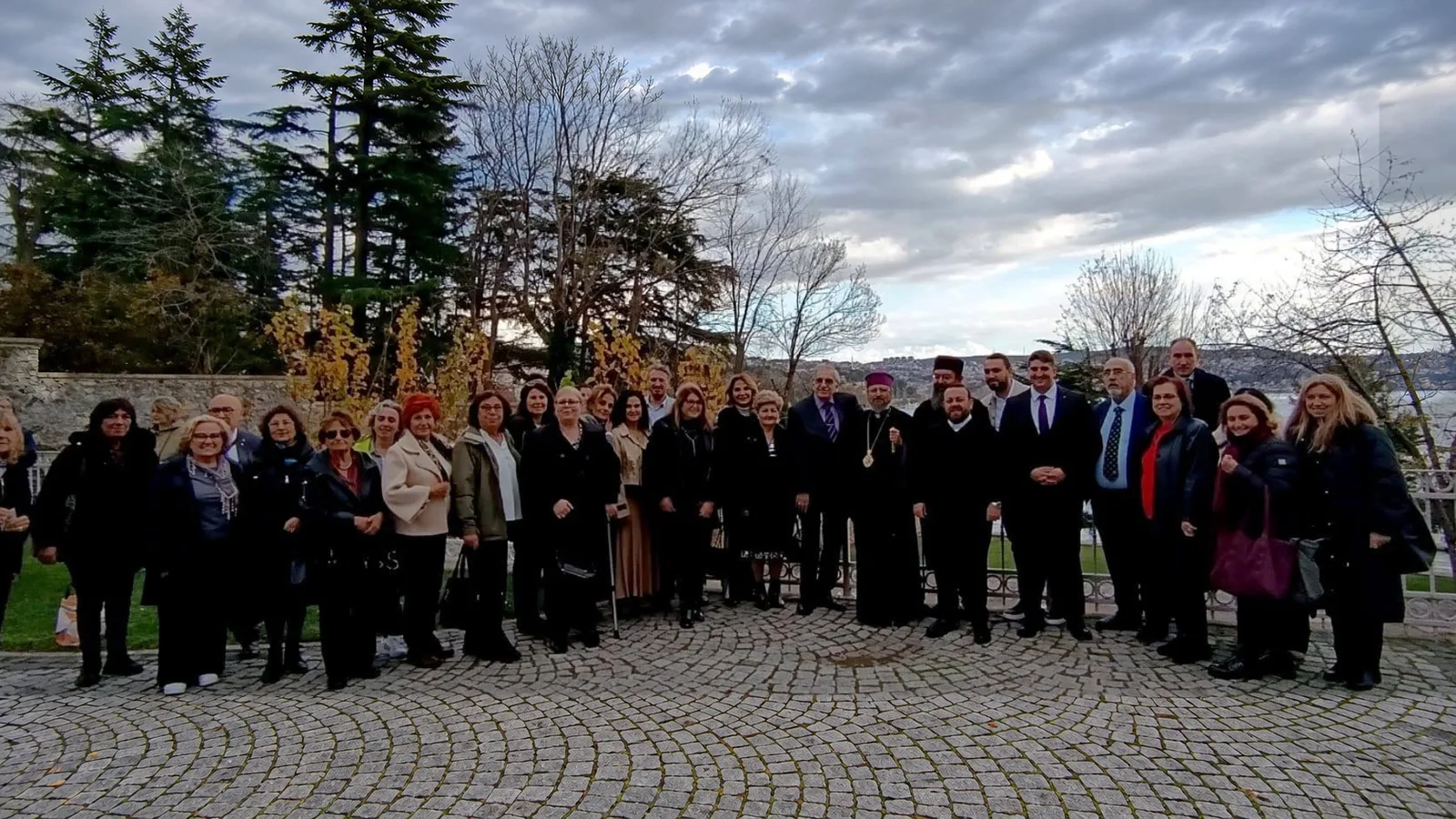
As the Armenian community, we value solidarity. We gather around our schools, churches, foundations, and associations. Behind the effort that keeps these institutions alive are people. People who make time, share their means, and sometimes postpone their own troubles to reach someone else…
Yet amid all this effort, there is a question we must ask ourselves: As we discuss the future of our institutions, are we sufficiently curious about how our people live today?
Do we know how many doors a young person looking for a job has knocked on? Do we hear the worries of a family trying to keep their child in school? If an elderly acquaintance who once attended every event is no longer visible, do we ask why?
Or do we assume everyone is fine unless they say otherwise?
Not everyone can easily voice their troubles. Some keep silent out of pride; some do not want to be a burden. Some fear that what they share will turn into someone else’s chatter the next day. In a society made up of people who know each other, privacy is as important as closeness. We must be able to protect a person’s dignity along with their need when they ask for help.
Sometimes the first condition of support is to keep entrusted words to ourselves.
And then there are our young people. We want them to participate more in community life. We expect them to be present at events, take responsibility, and carry our culture and language into the future. So how do we respond when they express themselves?
When a young person voices an idea different from what we are used to, do we listen with curiosity, or do we immediately remind them of their inexperience? When we give them a task, do we also grant them the right to decide? When they make a mistake, do we make room for them to try again?
For a person to feel they belong to a community, they need to see that their words carry weight there. A young person who is constantly invited but never asked their opinion may, over time, stop coming. Then we ask, "Why are young people drifting away?"
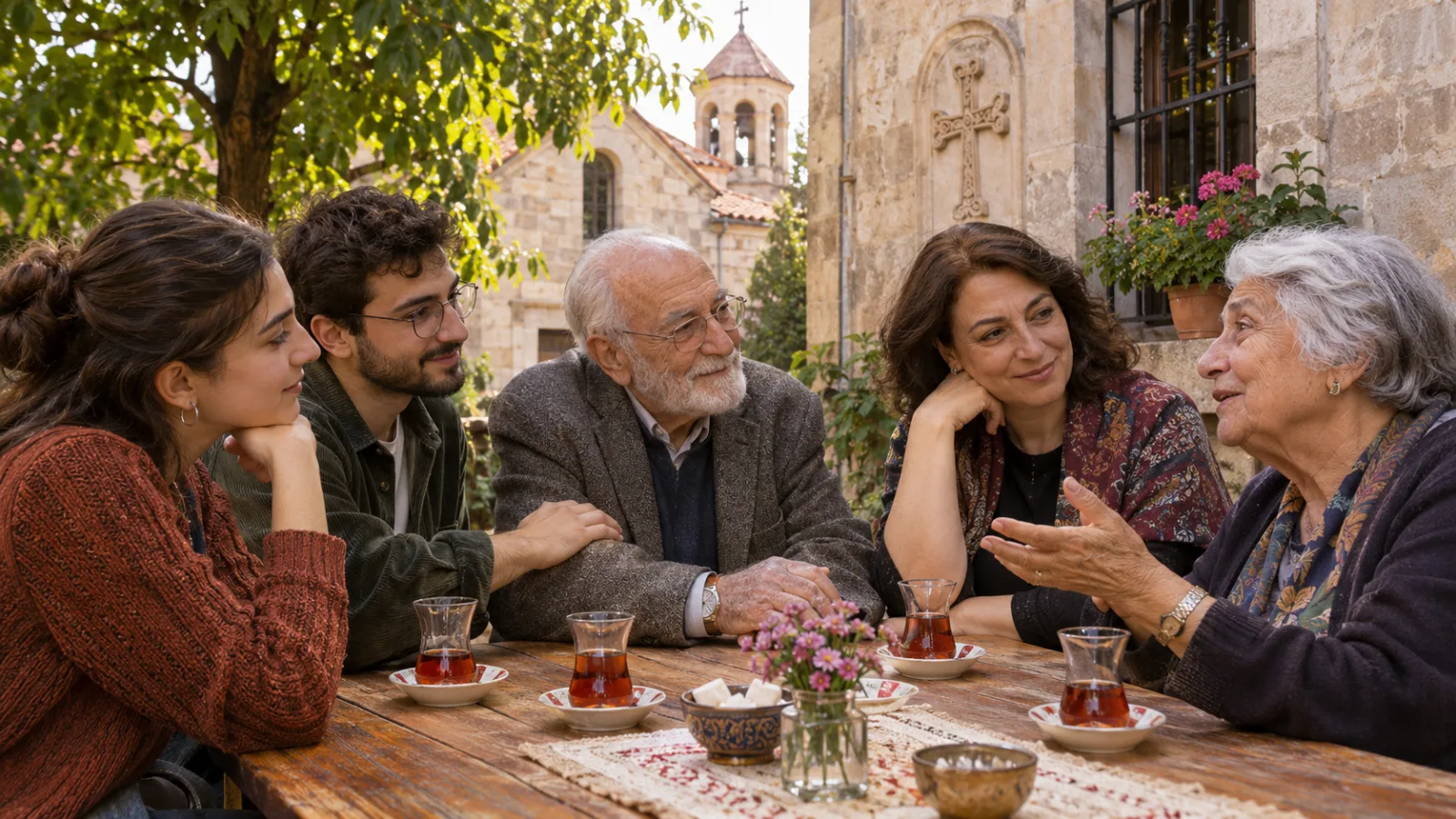
The same attentiveness applies to our elders. Sometimes we interrupt them because we have heard what they are saying before. Yet the memory of a school, a neighborhood, a choir, or a family tradition may be hidden within those narratives. Moreover, not every conversation needs to provide us with new information. Sometimes a person speaks to share their loneliness.
Listening is labor, too.
And what is our attitude toward each other’s success?
When one of us undertakes an initiative, starts a business, creates a work, or assumes responsibility, how do we approach them? Do we try to understand what they are doing? Can we acknowledge their effort? Or do we question their intentions and discourage them before they even begin?
Of course we will criticize. We will question how our institutions operate, say what we think is wrong, and demand accountability. A healthy society needs this. But our criticism should have a concrete basis and a fair tone. When we judge people based on hearsay, we do not only harm that person; we also give pause to someone else who might want to take responsibility tomorrow.
Supporting one another does not require agreeing on everything. We can respect the effort of someone whose views we do not share, appreciate their success, and stand by them in difficult times.
Perhaps we need to pay more attention to behaviors that seem small in our daily lives. Letting someone looking for a job know about an opportunity we know of, calling someone we have not seen for a long time, inviting a newcomer to our table, reopening the floor to someone whose speech was cut off…
These do not require large budgets. They require attention, time, and looking a bit beyond our own circles.
Today, let us ask ourselves honestly: Whose troubles did we most recently listen to without rushing? Whose joy did we share sincerely? When we heard a hurtful word, were we able to prevent its spread instead of passing it along to others?
If we want the community’s voice to be heard, we must first be able to hear one another within ourselves.
At our next encounter, after we ask "How are you?" let’s pause a little. Perhaps what the person before us has long needed is those few minutes we will give.